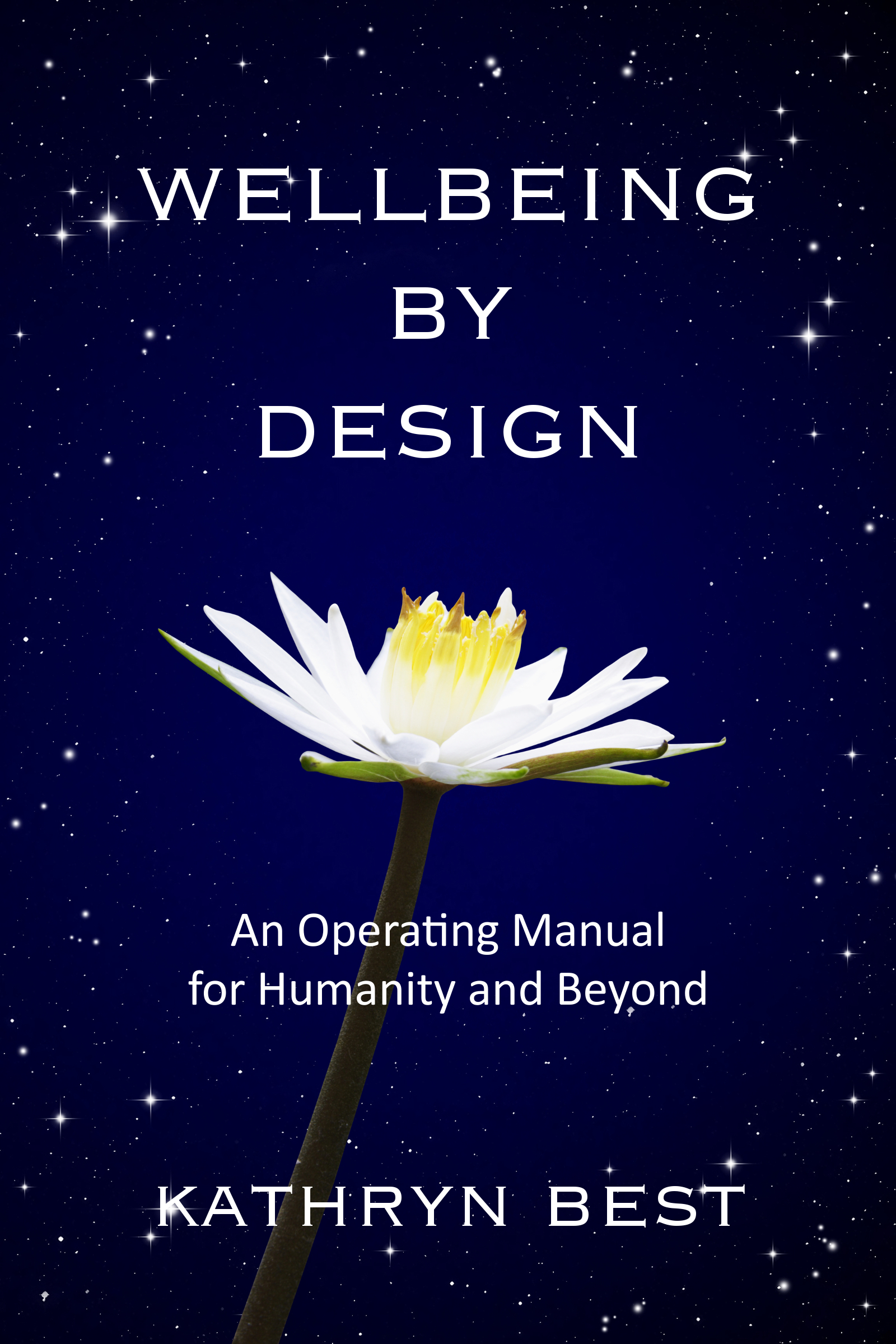
In a few weeks I travel to Mexico to trial the ideas in the book Wellbeing by Design within a 350-person design charette hosted in the city of Guadalajara.
I have been asked to take participants beyond design thinking, and so, the charette will be very much about getting participants involved in the journey and the process of wellbeing by design.
By its very nature, design is a noun (with an outcome, for example a product or service) and a verb (for example the journey of designing and crafting a product or a process). To experience the results of design (noun) it is not necessary to experience the process of design (verb).
However, with the increase of collaborative and participative processes within our politics and societies, interactions and ideologies, and the challenges we face as humanity, feeling we have some say in where we are going in life is increasingly important. What kind of world do we want?
What kind of world do we want?
Much of the success of design thinking as an ‘experiential process tool’ within organizations is to be celebrated. However success can often come with unintended consequences, and for many designers, the short-term high of being taken seriously by business (design management 101 pre-2004) may well evolve into a greater awareness of what happens in a world where design has perhaps been up-sold (or down-sold?) so as to make everyone a designer.
In which cases does design thinking put people at the heart of the experience, presumably in order to make things better for all of us and not just some of us?
Are there cases in which design thinking is, in effect, giving morally bankrupt institutions an explicit ‘customer journey’ map with which to dehumanize and reduce the quality of our interactions to the benefit of ‘shareholder value’? Who are these people that design is serving and making things better for – is it for all of us, as humanity, or not?
What is the intention behind a particular project or agenda for change? Is this intention aligned with a sense of shared human or universal values? Do we want to align with this particular way of operating? Are these (short-term) measures the right ones for the nature of design… and humanity? Should we challenge whether (long-term) quality of life issues are even measurable? Do we align to design (an identity and process toolkit) or design to align (a conscious choice and intent for our shared future)?
There is plenty of scope for being both serious and playful in how we can invent the future (our lives, our world, our reality) together and how we can take good care over the input design can bring to management decision-making and strategic direction – which often sets the course for the way companies decide to operate.
Having just written a chapter introduction for DESMA’s forthcoming publication, I can safely say that there is much insightful research being done in questioning our fit ire direction at this time of great political, societal and organizational transition. For example, what are the risks involved at an organizational level and beyond in seeing design as an applied technique? What further opportunities could be explored within the perception, process and practice of design? Should we be researching operational integrity with the same scrutiny as strategic purpose and value creation?
Andrew Whitcomb’s contribution, Spotting Fires in the Wild: Lessons from friction in collaborative designing – a design collaboration, hashes out what shape the future should take. Participatory innovation and the opportunity for design to help change services, strategies and organizations inevitably comes with a daily level of friction between people and practices. This is often a catalyst for ensuring we shape more desirable futures (processes, strategies and structures within organizations) and not just the end result (product/service offer). Andrew reminds us that our differences are cause for celebration, not judgment, and that ‘people bring different expertise and practices into the design process, which influences the outcomes of designing.’
For individuals of course, operating outside of companies, there is much more scope for operating spontaneously, not strategically.
The first step in getting involved in any process of change, whether individually or organizationally, is to see change as a journey of transformation, in which the process or the journey itself changes your perspective, your point of view and your state of being. ‘One’s destination is never a place’ said Henry Miller, ‘but a new way of seeing things’. The willingness to see things in a new way means ‘suspending disbelief’ and unfolding into open inquiry and honest conversation – with each other, with ourselves, and eventually with the wider world. It also means allowing for the friction and the mistakes that are all a natural part of the process of change.
Operating spontaneously does mean sometimes making mistakes. But, frankly, in our current reality, operating strategically often just mean making decisions to achieve short-term quarterly results. A big ‘mistake’ for anyone interested in the long-term survival of the planet and humanity.
What if operating spontaneously was as important as operating strategically?
What if, right now, we all started making different decisions and choices?
What if we decided to put the wellbeing of all at the core of our systems, our structures, our lives and our world?
Tom Peters thinks that ‘business (at its best) is about adventures and quests and gold medals and booby prizes and service and care and character’.
So, in Guadalajara, later this month, the design charette on wellbeing by design will be spontaneous and full of mistakes along the way, and that’s ok. Because the end goal – a world of wellbeing for all – is what this ‘adventure’ is about.
As Humanity, we have the right to wellbeing.
As Humanity we have the right to wellbeing.
As Creatives, we have the power to bring better visions of life into reality.
As Designers, we have the ability to prototype better ways to organize our lives and our world.
As Makers, we have the skills to bring into form only that which serves the wellbeing for all.
Design Thinking is an invaluable tool for introducing design processes and methods into organizational strategy, operational planning and service innovation. But for what end?
It is time to put the wellbeing of all at the core of our systems, our structures, our lives and our world.
What kind of world do you want?